Featured Publication
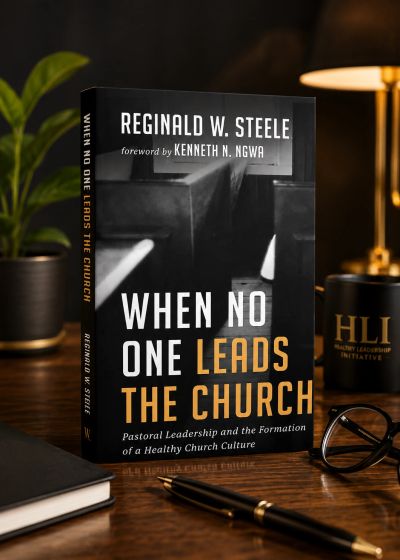
When No One Leads the Church
When No One Leads the Church
Pastoral Leadership and the Formation of a Healthy Church Culture
Churches rarely decline overnight. More often, they become shaped by patterns of survival that, over time, replace intentional leadership, healthy governance, and missional purpose.
In When No One Leads the Church, Dr. Reginald W. Steele examines the hidden organizational dynamics that influence many Black Baptist congregations. Through the fictional case study of Wayside Baptist Church, he explores how survival strategies developed during seasons of conflict and leadership instability can become embedded within a congregation's culture. While these practices once protected the church, they can eventually create resistance to change, reinforce unhealthy power structures, and hinder organizational renewal.
Drawing upon biblical theology, pastoral experience, leadership theory, and organizational analysis, Dr. Steele offers a compelling framework for understanding how churches can move beyond survival toward sustainable health. Using Malcolm X's transformational journey as a parallel, the book demonstrates how renewed identity can reshape both individuals and institutions.
More than a critique, When No One Leads the Church provides practical insight for pastors, church leaders, denominational executives, seminarians, and anyone committed to cultivating healthy leadership and healthy church culture. It challenges readers to distinguish between traditions that preserve the mission of the church and patterns that unintentionally obstruct its future.
Whether your congregation is experiencing transition, conflict, revitalization, or organizational fatigue, this book offers a thoughtful roadmap toward healthier leadership, organizational renewal, and lasting cultural transformation.
Endorsement
"Healthy churches do not happen by accident. They are cultivated through intentional leadership, courageous reflection, and a willingness to embrace renewal."
Available Wherever Books Are Sold
Purchase your copy through any of the following retailers: